
 Cleansing our body inside out has become essential nowadays. The high level of pollution and the increased electro-magnetic activity in the atmosphere, hectic professional agendas and endless lists of preservatives in our food, contribute to increase the level of stress in our system. By stress, I don’t only mean high nervosity or anxiety but an imbalanced state that creates blocks and ultimately disease. Additional to a healthy lifestyle routine, anyone who has ever experienced a detox program agrees that helps to clear not only the body, getting rid of any excess weight, to restore and optimize our energy level, but clears the mind as well, bringing more focus and an overall sense of ultimate sense of well-being. Then our outlook on life changes drastically, a more positive approach of life is possible which is rule number 1 to prevent depression and an optimum healthy life.
But is this just a modern, trendy “must do” during intermediate seasons?… Certainly not. From ancient traditions spring detox has always been a universal concept.
Years ago, when I first experienced Ayurveda at Soukya Holistic Center in Karnataka-India, I ‘ve been told by my physician, world-renowned Ayurvedic Doctor Isaac Mathai, that the monsoon season usually starting in May, is actually the best period for a Panchakarma: a complete 5 step mind-body detox program which ideally lasts for 7, 14, 21 or 28 days (the duration of a Moon cycle and a cell renewal cycle by the ways…). He explained that the rainfalls actually support the cleansing/detox provided to a patient according to their Dosha type (biological “moods”). I also believe that people feel more positive and refreshed inside out because of the negative ions generated by rainfalls.

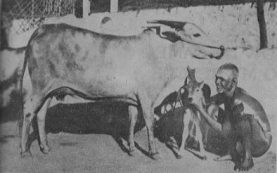
Ghulum (bath attendant) providing a customer with 2 Ayurvedic procedures.
In Panchakarma, a combination of different techniques are used to remove stored toxins in the body which contribute to sap our immune system. Purgation is usually processed with clarified butter (ghee) to remove impurities from the colon or water for a nasya (instillation through nostrils). Blood letting is also used to renew the red blood cells in the body.
Specific massages, like daily Abhayangas (4 hand massage) bring back balance and harmony to the body and to the Chakra system. The Shirhodara (3rd eye cleansing and my favorite…) do wonder on quieting the mind, increases awareness and heal migraine and Parkinson. Goodbye anger, sadness, grudges or lingering guilt, they will all be swept out… It’s important to remember that while a imbalanced diet can obviously affect the body directly, negative thoughts are actually number 1 enemies to harmony and good health.
Meditation and yoga programs can be added to these medical techniques: a combination of postures (Asanas) with Mudras, breathing techniques (Pranayama) and Mantras, are powerful tools to unburden the body and mind.

It is interesting to mention that this period of spring cleaning corresponds as well to some religious and non religious practices found in different traditions. For example, according to the bible, spring is time for the Jewish community to get rid of all the “hametz” during the pre-Passover time: every single dust or crumb has to disappear from the house before the celebration of “Pessah”, liberation.
In Feng shui, spring is also an important time for a making up; what to keep, what to give, what to get rid of… In this ancient Chinese concept, old, useless items represent blockages for a fluent energy flow in the house, but also for the inner world (body system), and for the mind: any type of clutter, within the body and/ or in the environment has to be cleared to avoid disease.
Mother Earth, in her infinite abundance and generosity offers us everything to achieve this detox: plants, vegetables, essential oils, specific spices like curcuma and cinnamon among many others are on the top list of the “natural cleaning team” in Ayurvedic medicine. Aditionnal to the digestive system, a Panchakarma detox program will also support several other channels of elimination in our body: lungs, kidneys, skin, and lymphatic system, all your body will be thankful for this renewal. It goes without saying that a Panchakarma has to be done by a physician specialized in Ayurveda.
Wether using ancient wisdom tools, planning a retreat in a traditional medicine clinic, or indulge yourself in a modern SPA resort, it’s time to find your ultimate place for detox and enjoy your rebirth!
Rita Minassian

 Luthar.com
You must be logged in to post a comment.