Harsha's avatar

Your Nature is Peace and Happiness ~ Sri Ramana

10603799_10200224310967453_2933156131157934041_n

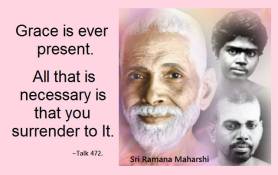
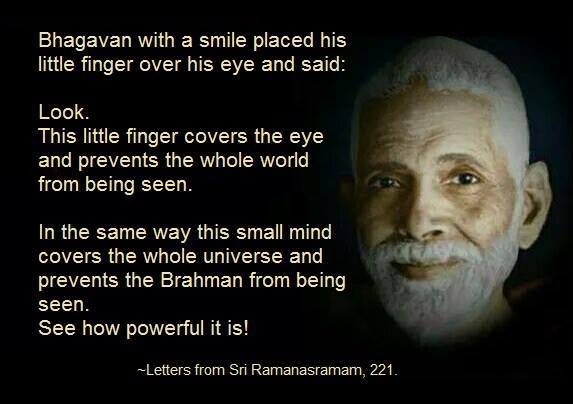
Sri Ramana says, “Your Nature is Peace and Happiness.” This quote as well as the quotes in the picture are from Sri Ramana speaking in Talk 462 in “Talks with Sri Ramana Maharshi”. Photo art is from John Wassenberg fb page. Bhagavan is saying that happiness and joy are our very nature and revealed when we turn our mind within and inquire as to the original source of the mind.

Continue reading

Harsha's avatar

Tilopa’s “The Song of Mahamudra”

Tilopa_s

Cut the root of a tree
And the leaves will wither;
Cut the root of your mind
And Samsara falls.

Continue reading

Harsha's avatar

Essential Teachings of Bhagavan Sri Ramana Maharshi

Harsha's avatarLuthar.com

In the following extract from Gems from Bhagavan, we are reminded of the essence of Bhagavan Ramana’s teaching and inspired to realize the True Self.

View original post 714 more words

Harsha's avatar

What is Saguna and Nirguna Brahman? By Dr. Harsh K. Luthar

Harsha's avatarLuthar.com

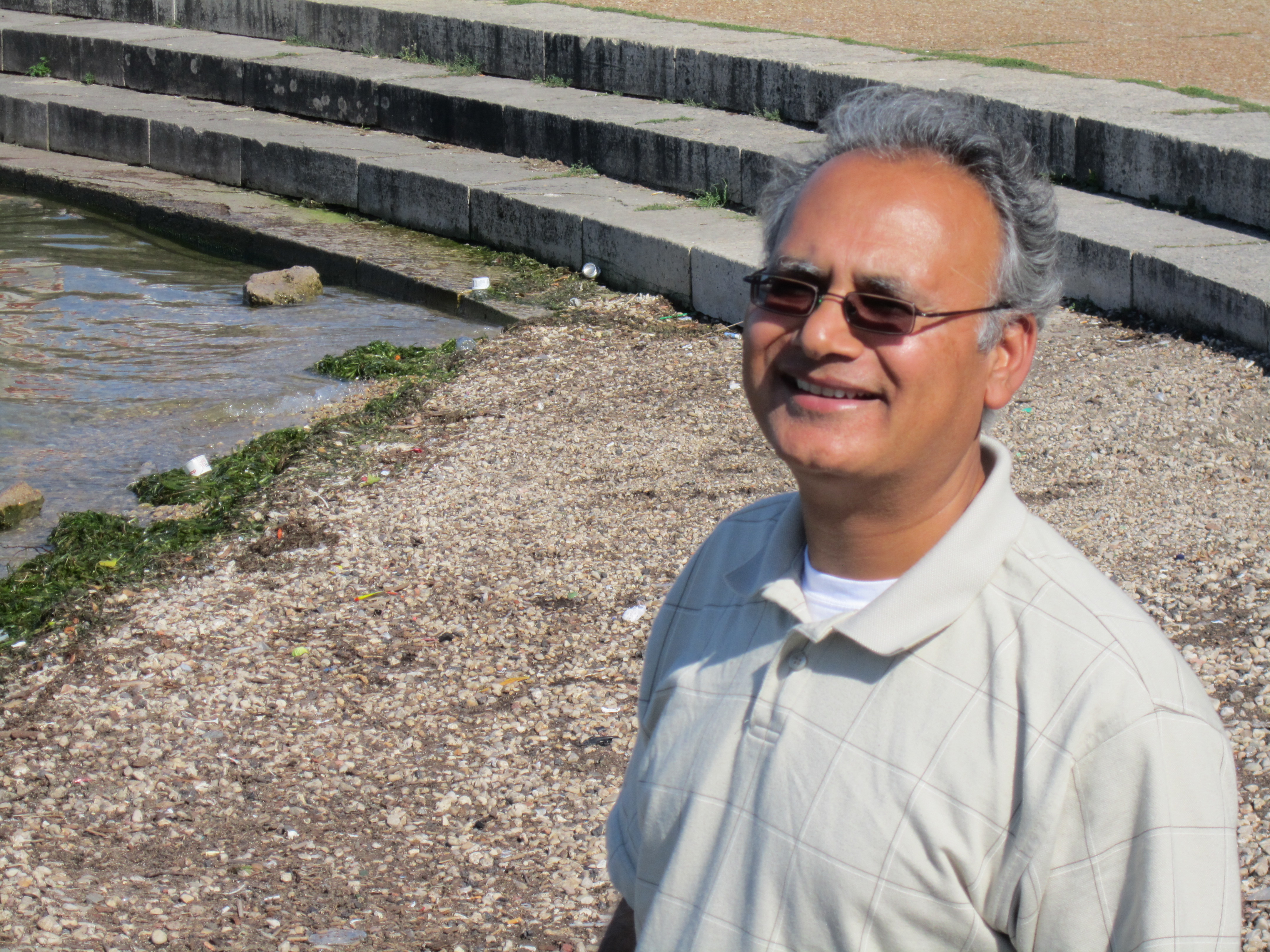
Harsh K. Luthar in Madison, WI

Questioner: What is meant in Hinduism by “Saguna Brahman” and how is that different from “Nirguna Brahman”

Answer: The term Saguna means “with attributes”. The term “Saguna Brahman” implies that God has a name and form and other attributes. Many Savikalpa Samadhis give rise to the (living) form of the Ishta Devata. Ishta Devta is one’s favored way of visualizing the divine. It might be Krishna, Jesus, Rama, the Goddess or some other Deity of choice.

Nirguna means “without attributes”. The term “Nirguna Brahman” implies that God as the Absolute Spirit and Pure Consciousness has no name and form or attributes. Nirvikalpa Samadhi reveals the Nirguna nature of the Self.

There are a number of books on Hinduism that discuss Saguna and Nirguna Brahman. Classic yoga texts like Patanjali’s yoga sutras explain various types of Samadhi states. All of such concepts and topics of discussion can also be found in…

View original post 162 more words

Harsha's avatar

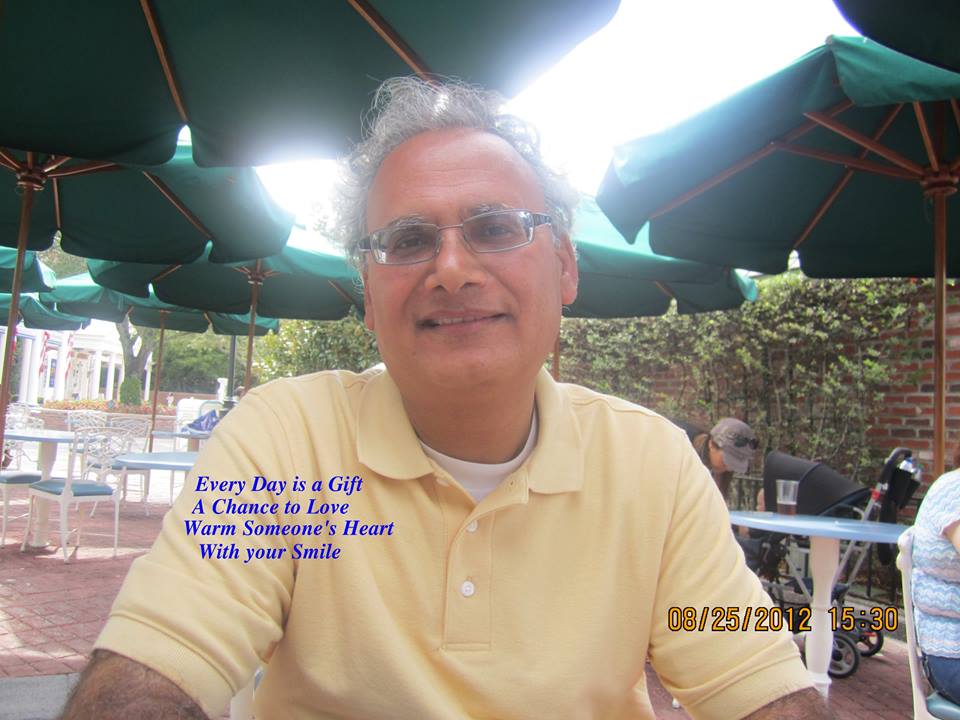
Everyday is a Gift: By Dr. Harsh K. Luthar

Everyday is a gift

Every Day is a Gift

A Chance to Love.

So, Warm Someone’s Heart

With Your Smile.

Harsha's avatar

The Obstacle is the Mind ~ Sri Ramana

Mind is the obstacle
Photo art from Ramana Maharshi FB page. Contributed by John Wassenberg

Sri Ramana says that mind prevents us from seeing Reality as it is. Bhagavan was explaining to the devotees that for spiritual growth it was no use changing the environment or one’s station in life. The obstacle was not external but the conditioned mind (See Talk 54 in “Talks with Sri Ramana Maharshi”).

Bhagavan said to the devotee, “Why do you think you are a grihasta (householder)? If you go out as a sanyasi (monk), a similar thought (that you are a sanyasi-monk) will haunt you. Whether you continue in the household, or renounce it and go to the forest, your mind haunts you.” Bhagavan in Talk 54.

“Where psychology ends, there philosophy begins. This is experience; the mind is born; we see it; even without the mind we exist. There is everyone’s experience to prove it.” Bhagavan in Talk 126.

Harsha's avatar

Thoughts Change But Not You ~ Sri Ramana Maharshi

Thoughts change but not you
Photo art from John Wassenberg’s fb page.

Sri Ramana Maharshi says in Talk 524 (Talks with Sri Ramana Maharshi), “You must exist in order that you may think. You may think these thoughts or other thoughts. The thoughts change but not you. Let go the passing thoughts and hold on to the unchanging Self. The thoughts form your bondage. If they are given up, there is release. The bondage is not external.”

Devotee says: But it is not easy to remain without thinking.

Sri Ramana replies: You need not cease thinking. Only think of the root of the thoughts; seek it and find it. The Self shines by itself. When that is found the thoughts cease of their own accord. That is freedom from bondage (Talk 524).

Bhagavan Ramana teaches that any thing that appears and disappears is not you. That which remains always, is you. The Advaitic system of Neti, Neti (not this, not this) is based on that. The aspirant analyzes everything that he or she perceives and says, “I am not the body, I am not the senses, I am not the mind, etc. Whatever can be perceived is not me as I am the one perceiving it.”

Continuing to reflect on this and doing Neti, Neti, (I am not this, I am not this), finally, that subjective pure awareness remains which cannot be denied. The Subject cannot deny It Self. Hence Advaita Vedanta declares that when you firmly reach the pure Subject which is only Awareness, you should abide in that. That You Are. Thou Art That. That I AM!

Harsha's avatar

What Is Sadhana? By Dr. Harsh K. Luthar

Harsha's avatarLuthar.com

Dear Harsha,

I have come across the Sanskrit term “Sadhana” in many articles on Eastern spirituality. What is the true meaning of “Sadhana” and what is the goal?

A Seeker

View original post 644 more words

Harsha's avatar

The Ordinary Mind Is The Buddha Mind: By Harsh K. Luthar, Ph.D.

Harsha's avatarLuthar.com

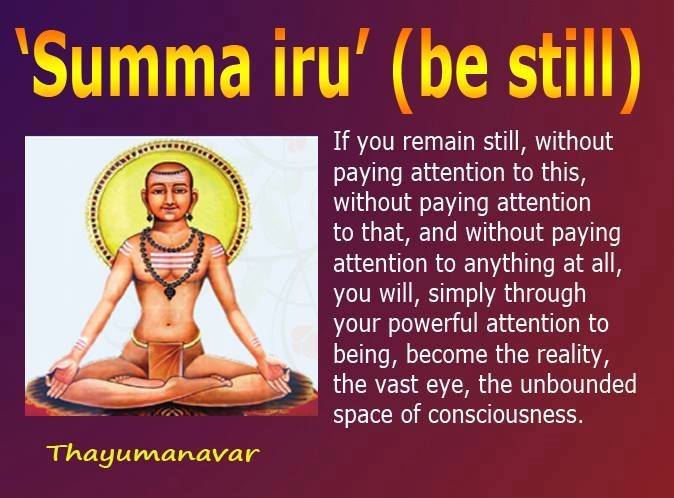
Thayumanavar
Photo art found on John Wassenberg’s FB page.

As long as you are looking for and relying on saviours, buddhas, bodhisattvas, gods, gurus, and supermen, you will find it hard to stay with your ordinary everyday consciousness. It appears so fragile, unstable, conflicted, wretched, and filled with self-serving needs. It is no wonder that people get on the spiritual path and seek salvation and wish to run away from where they are and who they are.

View original post 848 more words

Harsha's avatar

Sri Ramana and My Teacher Gurudev Sri Chitrabhanu-Ji: By Dr. Harsh K. Luthar

My Teacher and Sri Ramana

Harsha's avatarLuthar.com

All of us come from different backgrounds, and we walk the path in our own unique way. Yet, we all have the same innermost longing to know the deepest mystery of our own nature and being. Reflecting on the purest teachings of the Self and on the nature of Ahimsa as nonmovement of the mind, we are bound to have experiences and openings in our consciousness.

When my teacher, Gurudev Sri Chitrabhanu-ji visited Sri Ramana, he was just a teenager. Chitrabhanu-Ji became a Jain monk in 1942 at the age of 20. Prior to that, he was searching and visiting different saints in the various traditions of India and asking them questions about the spiritual path and how to become Self-Realized.

Gurudev Sri Chitrabhanu
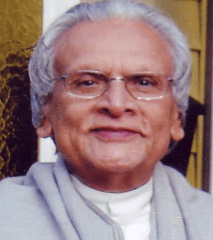
Chitrabhanu-Ji told me that of all the saints and sages he visited in India in his teen years, a few were unforgettable and stood out to…

View original post 1,123 more words