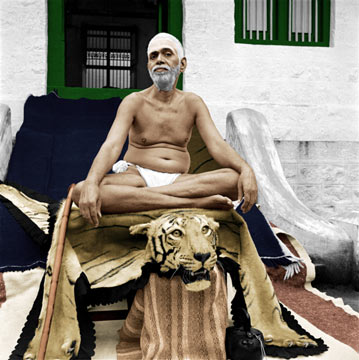

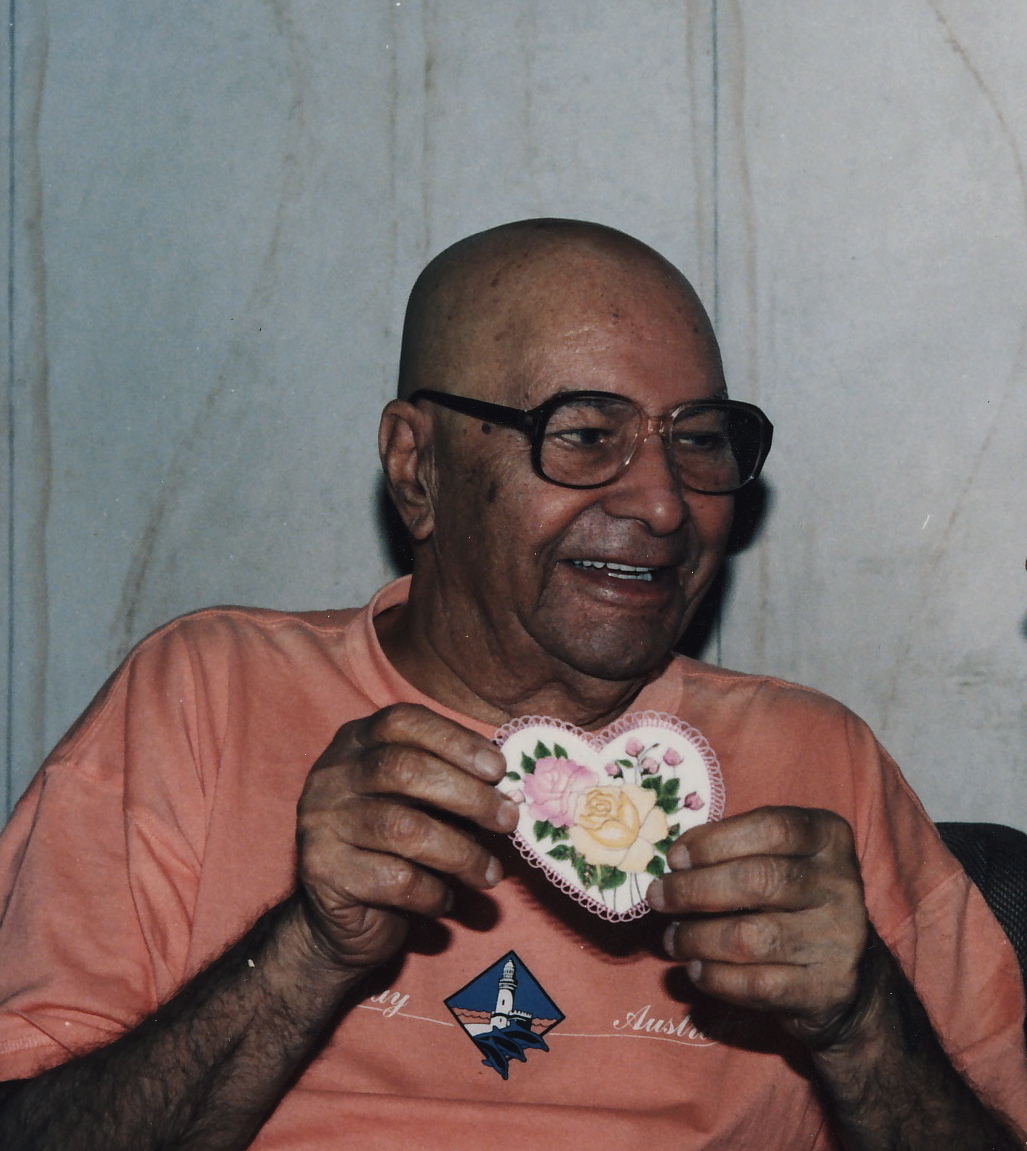
 A friend asked me whom this Papaji is that I speak of so often. So here’s an attempt to express That in words: Continue reading
 In an instant the minds cover – blown,
And what has always been known,
Was revealed in shining perfection true,
Ever fresh, yet – not new Continue reading

In the gItA Krishna speaks as Brahman and not as an individual or even as an incarnation. He is referred to in the gItA as bhagavAn which means saguNa brahman. The meaning of the word Krishna has been given in a popular verse thus: ‘kRRiSh’ stands for Existence and ‘Na’ for Bliss. The union of the two is Krishna, the Supreme Brahman. In Srimad bhAgavatam it is said – krishnastu bhagvAn svayam—Krishna is bhagavan Himself, contrasting him with all the other incarnations which are said to be only part-manifestations (amsha avatAra). Continue reading
translation and commentary by Smt. Savitri Puram
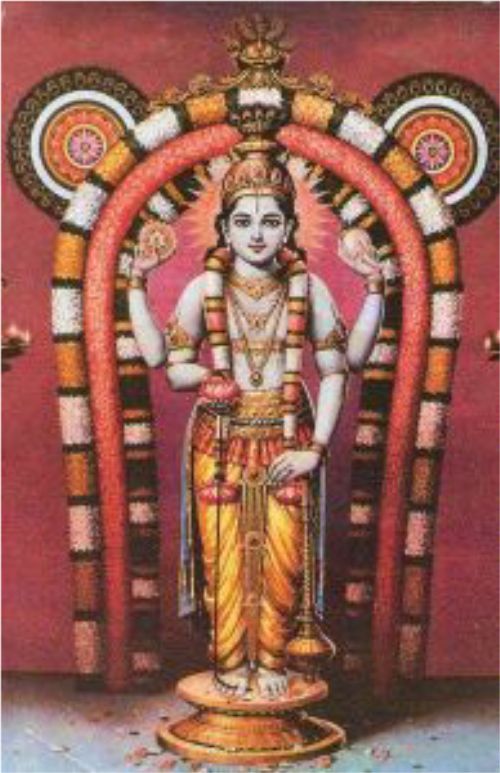
Repetition of Bhagavaan’s names purifies our mind and guides us to the Ultimate Truth. Continue reading
Although it is referred to in many different ways the Kundalini Shakti plays a key role in all spiritual traditions. The principles are the same, the effects are the same; but the words and symbols used to express Kundalini differ. In the Judeo/Christian tradition Kundalini is known as the Holy Spirit, Living Water, Christ, the Anointing, the Word and by other terms as well.
But before exploring the details of Kundalini in the Judeo/Christian scriptures, I would like to introduce the subject by examining the authentic and original message of Jesus. Continue reading
consider the diamond:
the tender darkness of a fleshy soul
deep within the heart of the earth,
secure & content in the silence
of its own endless night Continue reading

Dreaming the Dream by Anna Ruiz Continue reading
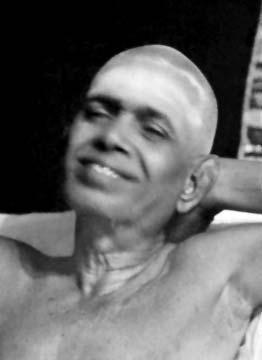 I went to Arunachala for the first time with Sri Rami Reddi. We had our food in the town and then went to the Ashrama. In those days there was very little there – a hut for Bhagavan and another over his mother’s samadhi (place of burial). Bhagavan had just finished his food and was washing his hands. He looked at us intently. “Did you have your food?” He asked. “Yes, we had it in town.” “You could have had it here,” he replied.
 Luthar.com
You must be logged in to post a comment.