Harsha's avatar

Meditation and Self-Inquiry – Part 1 on Youtube

Dear Friends,

Yesterday,  I uploaded a short video on youtube on Meditation and Self-Inquiry. Part 1 is visible now and you can access it.

http://www.youtube.com/watch?v=ijNldueFYsM

Your feedback is most welcome as I try to enhance my learning and become more current with the use of the new social networking technologies.

Thank you and Namaste

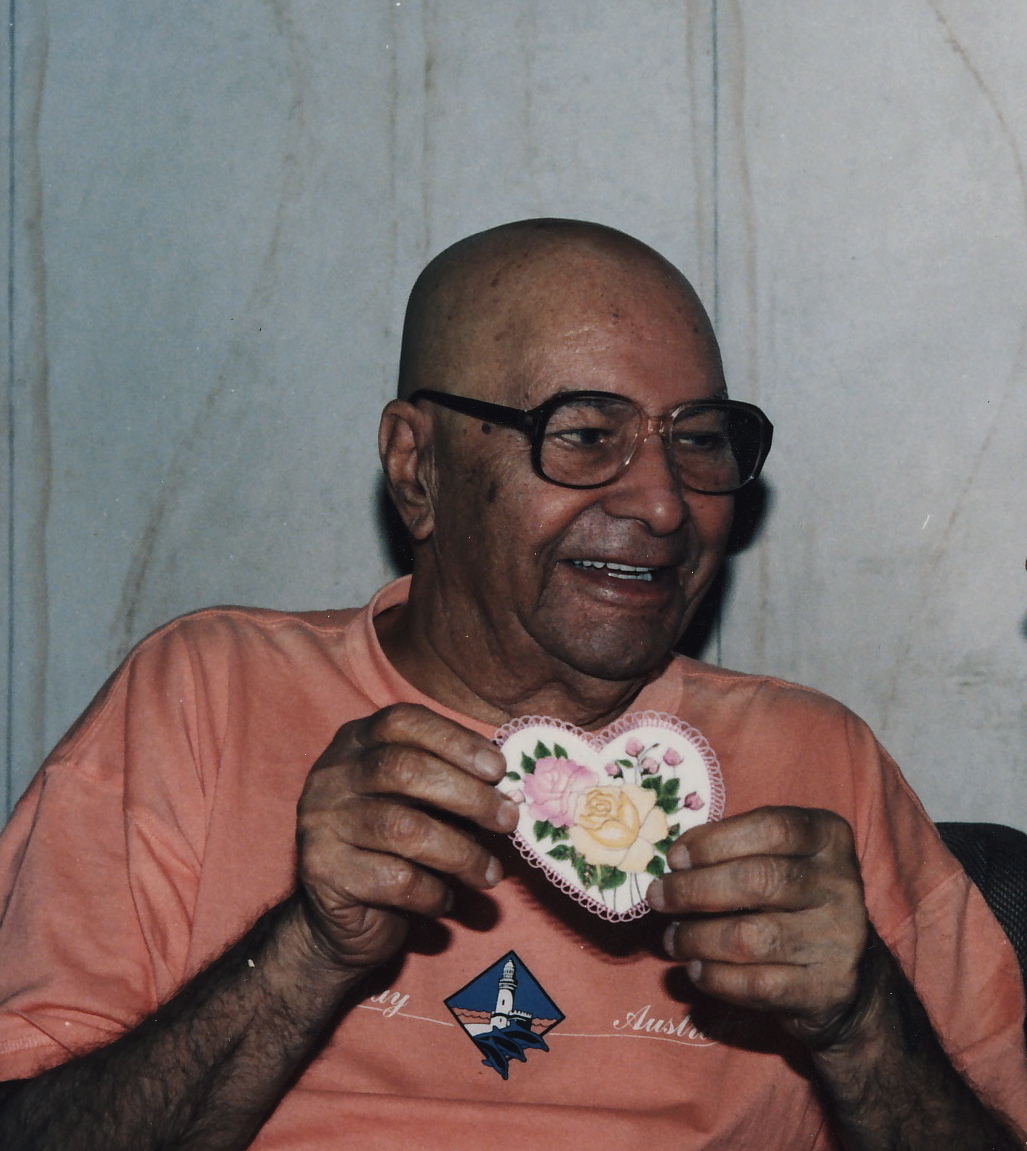
Harsh K. Luthar

Harsha's avatar

Marital Garland Of Letters: By Ramana Maharshi

The Five Hymns to Arunachala are the earliest poems of Sri Ramana Maharshi except for a few short verses. They were written about 1914, when Sri Ramana was about thirty-five years old (he was born in December 1879). He was still living in Virupaksha Cave on the hill. Continue reading

Bhagavan Ramana
Harsha's avatar

How To Overcome The Ego? By Dr. Harsh K. Luthar

Bhagavan Sri Ramana used to say that all techniques of meditation and concentration presuppose the retention of the ego/mind. Bhagavan used to joke that employing the ego/mind to overcome the ego/mind is like hiring a thief, who is all dressed up as a policeman, to catch the thief. The policeman will pretend to make herculean efforts to catch the thief, give periodic reports of progress, but will fail each time (since the policeman is the thief!). Continue reading

Harsha's avatar

Self-Realization and Physical Immortality: By Dr. Harsh K. Luthar

Can Self-Realization and Physical Immortality co-exist? Continue reading

Harsha's avatar

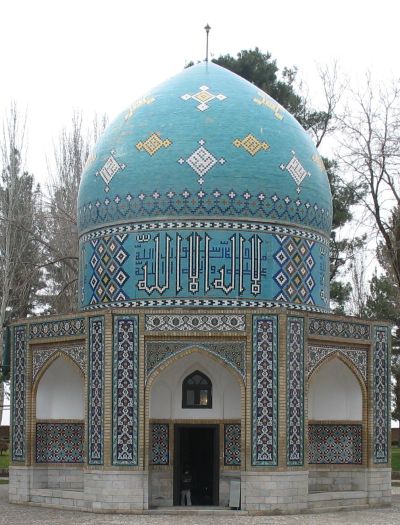
FARID-UD-DIN ATTAR- Classical Sufi Author

“Attar has roamed through the seven cities of love while we have barely turned down the first street.”

said Rumi about the Persian poet Farid-ud-din Attar.

Attar is one of the most famous mystic poets of Iran. His works were the inspiration of Rumi and many other mystic poets. The name ‘ATTAR’ means herbalist, druggist and perfume seller. Continue reading

Harsha's avatar

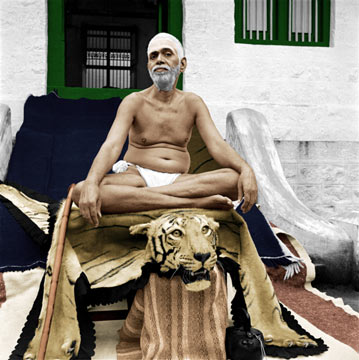
Sage of Arunachala Sri Ramana Maharshi: By Dr. Harsh K. Luthar

Over a period of more than half a century, some of the greatest yogis and sages of India and even a few Shankracharyas had the good fortune to visit the Sage of Arunachala, also known as Bhagavan Sri Ramana Maharshi. The list of luminaries who sought Bhagavan’s grace over a period of 53 years would be too long to recite in this short piece. Continue reading

Harsha's avatar

Sri Ramana’s Understanding of Human Weakness

Editor’s note: Sri Ramana was one of the most liberal, tolerant, and nonjudgmental sages. He understood the nature of human weakness and was compassionate towards those who were criticized by others as sinners. The following story illustrates this point well.

Continue reading

Harsha's avatar

Papaji (H.W.L. Poonja): by Lisa Carneal

A friend asked me whom this Papaji is that I speak of so often. So here’s an attempt to express That in words: Continue reading

Harsha's avatar

The Gospel of Jesus Decoded: Christ and Kundalini, Part 1 by Michael Bowes

Although it is referred to in many different ways the Kundalini Shakti plays a key role in all spiritual traditions.  The principles are the same, the effects are the same; but the words and symbols used to express Kundalini differ.  In the Judeo/Christian tradition Kundalini is known as the Holy Spirit, Living Water, Christ, the Anointing, the Word and by other terms as well.

But before exploring the details of Kundalini in the Judeo/Christian scriptures, I would like to introduce the subject by examining the authentic and original message of Jesus.  Continue reading

Harsha's avatar

Ramana On Two Ways to Self-Realization: By Dr. Harsh K. Luthar

Bhagavan Ramana

Sri Ramana used to say that there are two ways to Self-Realization. Continue reading