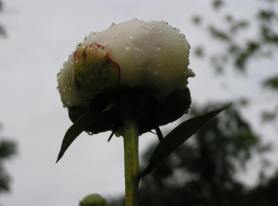
A weapon, howsoever powerful it may be,
can always be superseded by a superior one;
but no weapon can, however,
be superior to non-violence and love.
From a Jainist Prayer for Peace

A weapon, howsoever powerful it may be,
can always be superseded by a superior one;
but no weapon can, however,
be superior to non-violence and love.
From a Jainist Prayer for Peace
One day on HarshaSatsangh, a very earnest and sincere devotee of Ramana Maharshi posted a message that there is only one way to realize the Truth — only through asking “Who Am I” as taught by Ramana. The following was Harsha’s encouraging reply. In this message Harsha shares how Ramana’s example and teachings were personally transformative for himself and encourages the process of self-inquiry in others.
–The Editors

Stories of Sri Ramana Maharshi
Scriptures or books often quoted by Sri Ramana
Advaita Bhoda Deepika
“Love itself is the actual form of God”

Silence is most natural. But it doesn’t mean “no thinking”. The majority of thinking revolves around one item or more of the “unholy trinity,”, other(s), my feeling(s).. Unholy, because all wars and conflicts are regarding “I and mine…” or its plural “We and our…” so it is obvious that without “I”, the sense of otherness has gone too and Silence just IS, irrespective of thinking. It will be clear that religions, systems of meditation and yogas are aiming to diminish the sense of “I” to such an extent that one becomes aware of the Silence. If this results in a preference/like for Silence above anything else, that could be called Grace because it will transform seeming austerities into a joy and “attainment” will be swift.
GREG GOODE:
One could say that in artistic terms, “wabi-sabi” is a term describing the Zen-like esthetic, made popular by the tea ceremony. Wabi-sabi is hard to translate into English, but as Koren tells (pp. 21-22), sabi originally meant “chill,” “lean,” “withered.” Wabi meant the misery of living alone in solitude, cheerless, alone. Later, they acquired more positive values. Together, the words indicate the simplicity of the hermit, the spiritual opporunities of solitude, the beauty of inconspicuous and the overlooked.
This book tells about the esthetic of Wabi-Sabi. In Koren’s words:
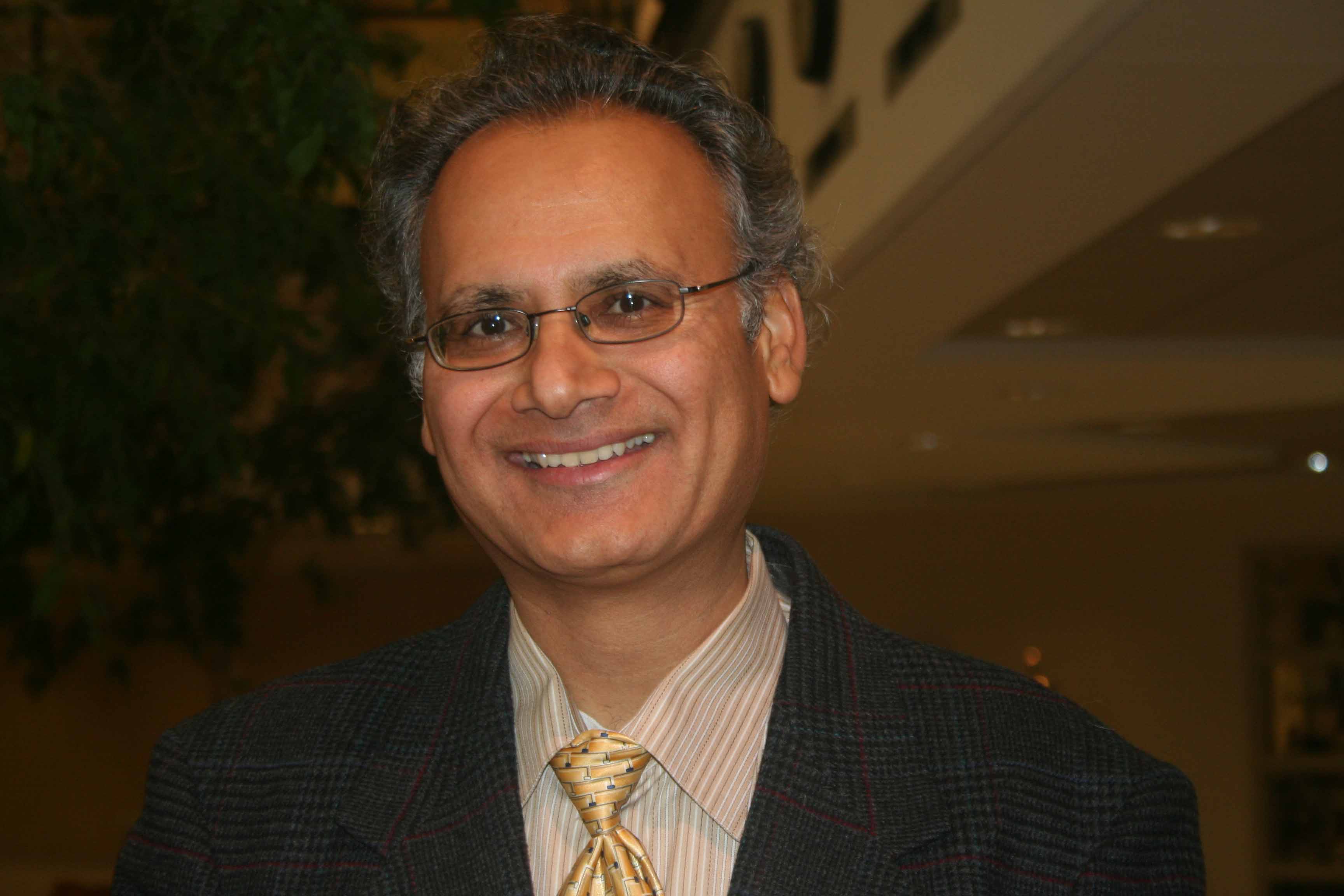
HarshaSatsangh is dedicated to the joy of fellowship in Ahimsa as exemplified in the purest Advaitic teachings of the Jnani Sage of Arunachala, Sri Ramana Maharshi. We emphasize the universality of the doctrine of nonviolence and the teachings of compassion as these themes are found in all major spiritual traditions and religions of both the East and the West. Ramana Maharshi taught that if one realizes that the same Self (consciousness) is in all and all are in the same Self (consciousness) only, one will not want to harm another! It would be like harming oneself. In Jainism, the religion of my teacher Chitrabhanuji, nonviolence is considered the cardinal principle. Chitrabhanuji taught me that a feeling of amity and nonviolence towards all living beings, when it is carried to an extreme is as powerful as any technique or method of Yoga and naturally leads to Self-Realization.
A chariot is not asserted to be other than its parts,
Nor non-other. It also does not possess them.
It is not in the parts, nor are the parts in it.
It is not the mere collection [of its parts], nor is it their shape.
[The self and the aggregates are] similar.
– Chandrakirti, Supplement to (Nagarjuna’s)
“Treatise on the Middle Way”
The nature of the Self is absolute, immutable, taintless. It is not distant, nor is it subject to attainment (being ever attained). This is the Truth. ——-Ashtavakra Gita
Here is my comment on this verse in six sentences. This is the natural approach to stilling consciousness by being simply aware of awareness with one’s awareness.
To see that, which is obvious, look.
Do not look for anything, and do not look at anything.
Gopi Krishna’s emphasis on Kundalini as a biological evolutionary force is a very limited view of the great Shakti.
Shakti is the fundamental Spiritual Principle and Force which has physical, mental, and psychic manifestations. These manifestations cannot indicate or capture the depth of this Great Power. Its ultimate nature is only realized when the Shakti completes its Journey to the end and reveals the deepest mystery of existence and the Self is Recognized.
Yes, the Shakti is Maha Sarswati, the Goddess of Wisdom. She makes one a poet, a scholar, and an orator. She bestows high intelligence. She is the teacher in both the earthly and subtle psychic realms.
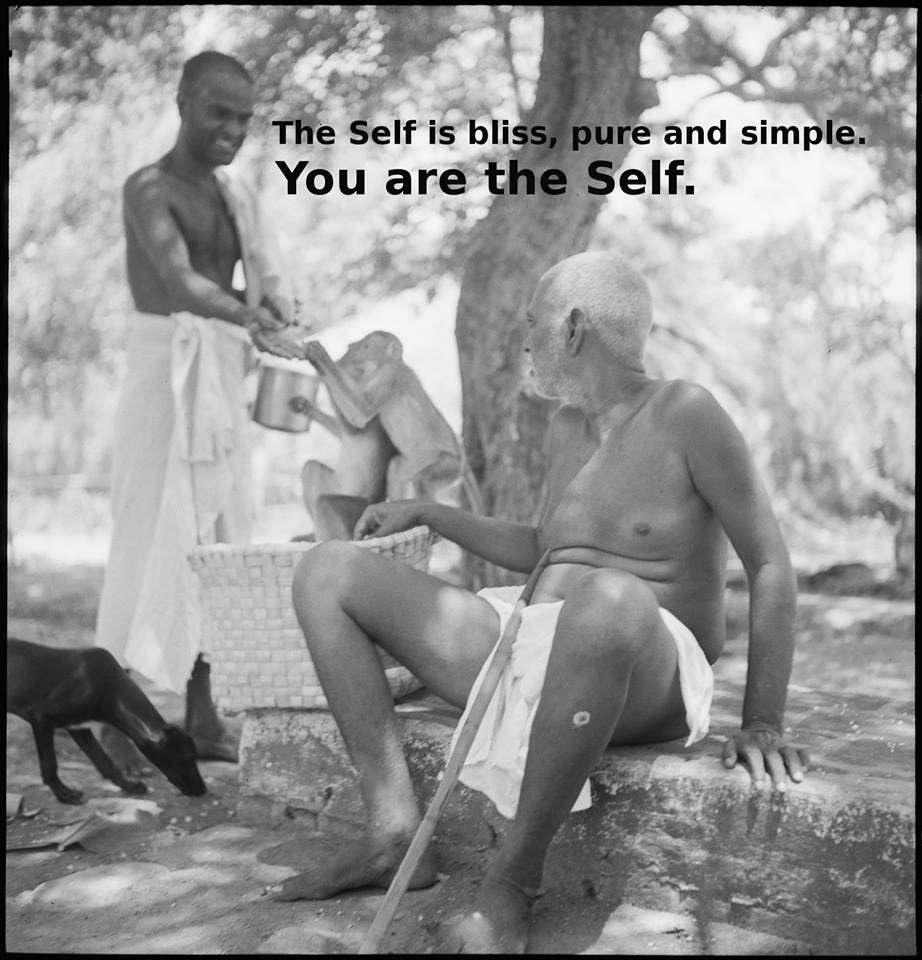
Sometimes people say that Nirvikalpa Samadhi is a state where there is no knower and known. That is really a half-truth. To capture the essence of Nirvikalpa Samadhi, it is better to say that in Nirvikalpa the KNOWER and the KNOWN are IDENTICAL. It is only pure consciousness that by its very nature is self-revealing and self-knowing.
Nirvikalpa in Sanskrit means “without thought or doubt or mental modification”. It is the absence of mental modification and presence of fullness of consciousness in Nirvikalpa Samadhi which allows for the clear recognition of the Self.
Self is both the Knower and the Known, the Seer and the Seen, without any duality. Self, being one without a second, is always self-knowing. There is no “other” for it to know. That is why we refer to the Self as Nirvikalpa. The reference to Nirvikalpa implies the nondual nature of the Self.
 Luthar.com
You must be logged in to post a comment.