Harsha's avatar

Yoga And Advaita: By Dr. Harsh K. Luthar

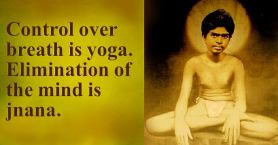
Yoga and breath Jnana and mind

These questions came up some years ago. My responses are included. (Photo art above is from Andreas Farsatis).

Question: Is the way and goal of Patanjali’s Yoga and  Sri Sankara’s Advaita Vedanta the same?

Continue reading

Harsha's avatar

Ahimsa – The Antidote to Fear

By Dr. Harsh K. Luthar
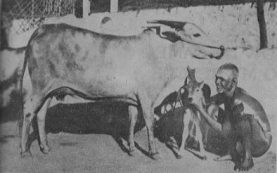
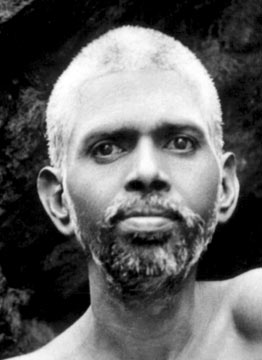
Bhagavan Sri Ramana used to say, “Ahimsa Param Dharma”. It means that Ahimsa (Nonviolence) is the Supreme Dharma (Duty or Principle). Sri Ramana pointed out to the devotees and yogis that in Patanjali’s Yoga Sutras, Ahimsa is named as the highest virtue above all other virtues. If we are able to understand what Ahimsa means at the deepest level, that clarity itself guides us in discovering the nature of the Self as our own Being.
Continue reading

Harsha's avatar

Some Similarities between Jnana Yoga and Kundalini Yoga: by Vib “Vibri” Ribbon

Kundalini Yoga

Kundalini-Shakti is in traditional Indian spiritual sources described as the energy that propels man to liberation. Thus, awakening this energy in the body(mind) of the practitioner is central in some liberation teachings, most notably, the Kundalini Yoga systems and the Tantra Yoga systems. As the energy moves in the central channel in the body from its resting place and source in the Muladhara Chakra to the Sahasrara Chakra, and enlivens the passive element of the mind, liberation is said to ensue.

Continue reading